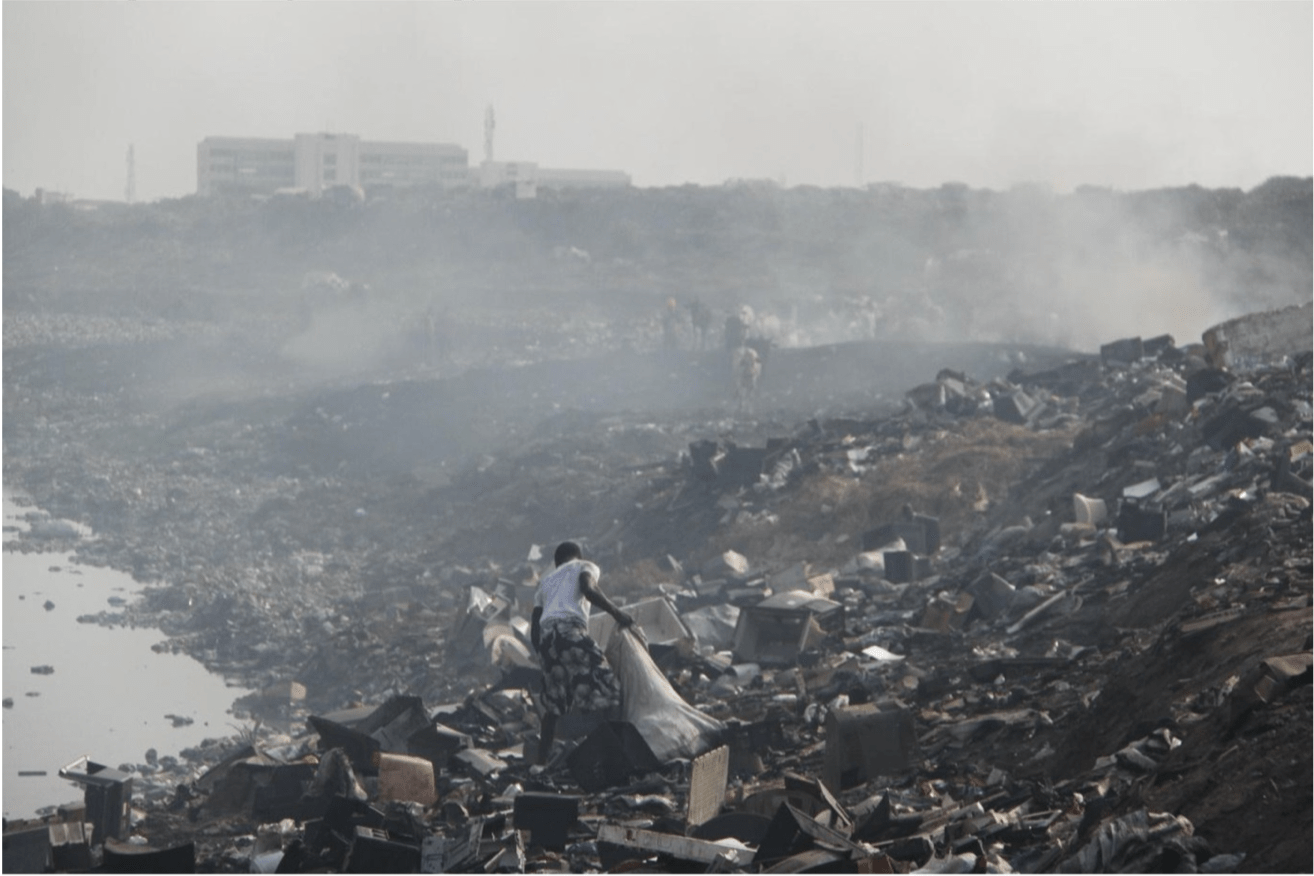
There is now a race to transform the global energy supply from toxic fossil fuels to clean renewable energy before the consequences of climate change take hold. This includes a whole array of various technologies including wind turbines, solar panels, lithium-ion batteries and electric vehicles. Unknown to the many that reap the benefit of clean air however, is the hidden cost. The lifecycle of these low carbon technologies are plagued with devastating environmental damage, exploitation of child labour and poses a serious threat to public health. Developed countries reap the benefit of “clean” energy, whilst the less developed countries are paying the consequences.
As a consequence of the green energy revolution, demands for cobalt have sky rocketed. Cobalt mines have since plagued the Democratic Republic of Congo, as the region possesses 60% of the global cobalt supply. ERG (2018), a mining company, estimates that due to the Paris Agreement, cobalt demand in electric vehicle batteries will grow by 200% between 2018 and 2020, and again by 500% by 2025, when the battery market is expected to be worth $100 billion. Due to poor regulation, much of the workforce are children, exploited and attributed the dangerous tasks, vulnerable to death from mine collapse. Toxic leaching of acid mine drainage poisons the surrounding area, and local communities are exposed to high concentrations of heavy metals that have leached into the water supply.
Downstream of the lifecycle of clean technology is the vast mass of electronic waste (e-waste). most of which comprises of lithium-ion batteries and solar panels. Surprisingly, only 5% of lithium-ion batteries are currently recycled in the EU. This waste has been illegally exported from the countries that benefit from them, and left for countries such as Ghana to deal with the waste. Most of the processing of this potentially dangerous waste involves unsafe dismantling, lithium-ion batteries are often hacked open by machete, exposing the toxic heavy metals to the environment and surrounding public. Solar panels are often burned, producing toxic black smoke that blankets the communities in which families breath in. Studies have found high concentrations of heavy metals in the blood and urine of children in the local community.
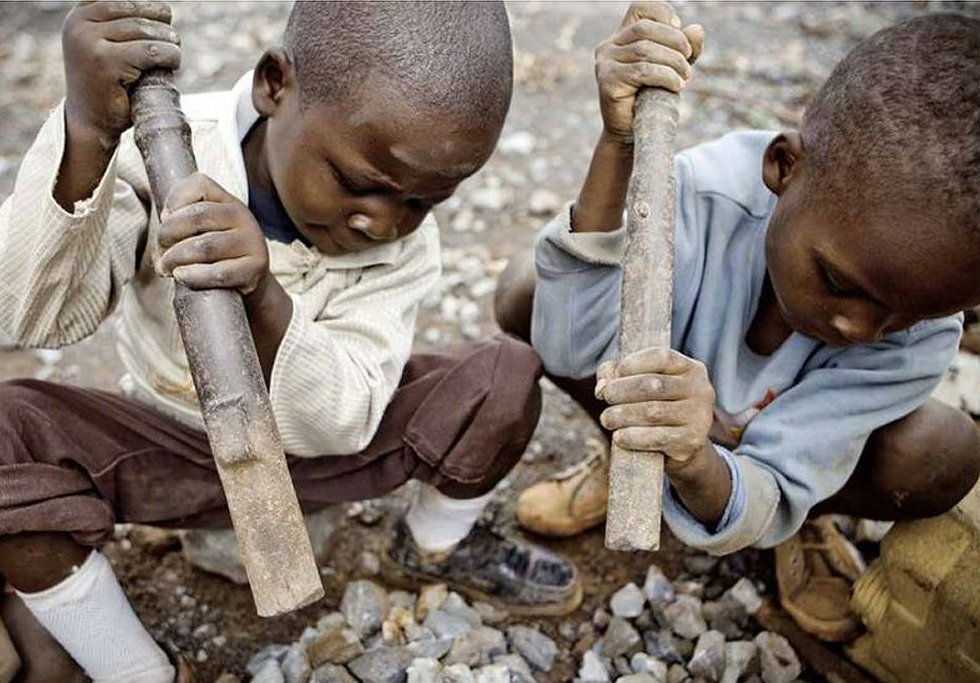
From a co-productionist perspective it can be said that the contribution of both experts and society is required to address these issues. Normally, stakeholders would have no say on how to address this ethical issue. A co-productionist viewpoint however, would be to involve both policymakers and the stakeholders. The stakeholders would comprise of members of the local community and labourers of the mines and e-waste scrapyards. They would provide valuable local knowledge and information to address this unethical issue alongside the policymakers and scientists. In this case, the science and technology addressing the issue of climate change has overlooked the ethical implications of producing this “clean technology” and a co-productionist perspective would be required to address these issues.
To address this issue, the clean cobalt framework was established, the framework allows sources of cobalt to be easily traced to an ethical source, for technology producers to use. It consists of using blockchain technology allowing the process of sourcing and tracing of data on the cobalts ethical extraction to be more secure and efficient.
- Sovacool, B.K., Hook, A., Martiskainen, M., Brock, A. and Turnheim, B., 2020. The decarbonisation divide: Contextualizing landscapes of low-carbon exploitation and toxicity in Africa. Global Environmental Change, 60, p.102028.
2. Nkulu, C.B.L., Casas, L., Haufroid, V., De Putter, T., Saenen, N.D., Kayembe-Kitenge, T., Obadia, P.M., Mukoma, D.K.W., Ilunga, J.M.L., Nawrot, T.S. and Numbi, O.L., 2018. Sustainability of artisanal mining of cobalt in DR Congo. Nature sustainability, 1(9), pp.495-504.
3. https://www.ergafrica.com/cobalt-initiative/
4. Wittsiepe, J., Fobil, J.N., Till, H., Burchard, G.D., Wilhelm, M. and Feldt, T., 2015. Levels of polychlorinated dibenzo-p-dioxins, dibenzofurans (PCDD/Fs) and biphenyls (PCBs) in blood of informal e-waste recycling workers from Agbogbloshie, Ghana, and controls. Environment international, 79, pp.65-73.
 Site Title